The Best Probiotics by Goal, Matched to the Actual Evidence

Photograph: Adobe Stock, licensed 27 August 2026. Capsules shown are generic, not any product ranked on this page.
Most "best probiotic" lists rank products by CFU count or brand polish. That is the wrong question. Probiotics work at the level of the individual strain, and a strain that helps with one problem often does nothing for another. So this guide is organized by goal, and each pick is tied to the specific strain that was actually tested for that goal.
Read the label guide first if you want to understand why the number after a strain name (like Bifidobacterium infantis 35624) is the part that matters.
Quick Picks
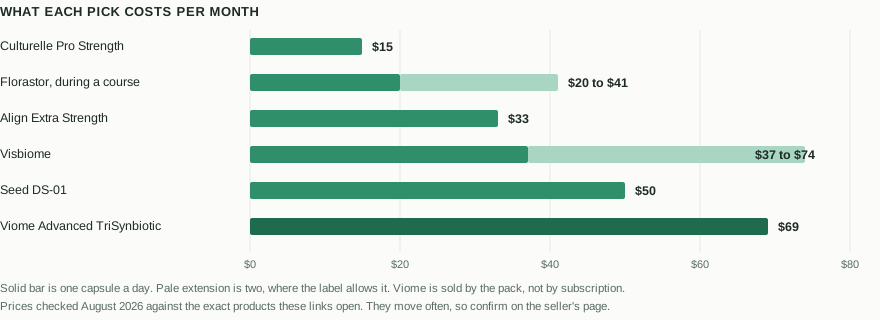
| Goal | Pick | Key strain | Rough price | Evidence strength |
|---|---|---|---|---|
| Everyday, single-strain simplicity | Culturelle Pro Strength | L. rhamnosus GG | ~$15/mo | Strong for the strain |
| Everyday, broad synbiotic | Seed DS-01 | 24 strains + prebiotic | ~$50/mo | Good, some overhyped |
| Bloating / IBS symptoms | Align Extra Strength | B. infantis 35624 | ~$33/mo | Moderate, mixed recent |
| Diagnosed IBD / pouchitis (with a doctor) | Visbiome | De Simone 8-strain | $37-74/mo | Strong, medical food |
| Around antibiotics | Florastor | S. boulardii CNCM I-745 | ~$20-41/mo | Moderate, nuanced |
| Gut lining / postbiotic support | Viome Advanced TriSynbiotic | Akkermansia (postbiotic) + tributyrin + 3 live strains | $69/pack (10% off with AFF10) | Mechanism is real, brand-new product, no independent studies yet |
Best for Everyday Use: Two Honest Options
Culturelle Pro Strength, the simple starting point
Culturelle Pro Strength, ~$15/month
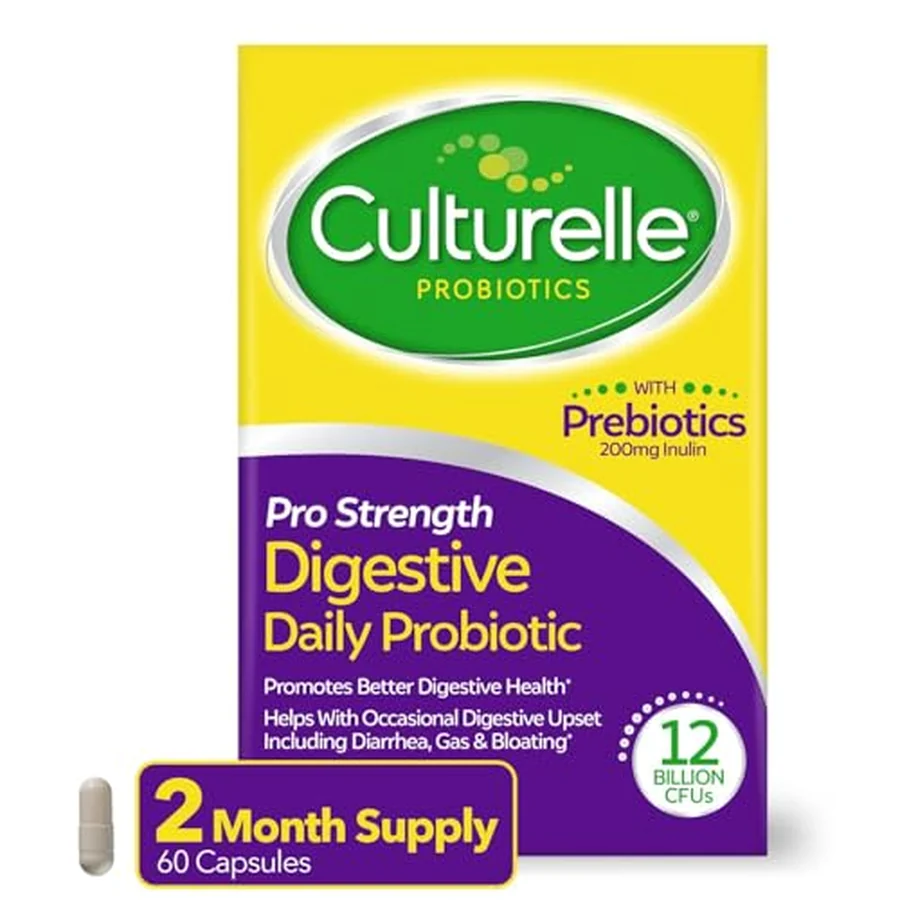
If you want one strain with a long research history at an accessible price, this is the safe first move. Culturelle uses Lactobacillus rhamnosus GG, one of the single most-studied probiotic strains in the world. The Pro Strength bottle is 12 billion CFU, 60 capsules, and sells for about $31, which is a two-month supply at one a day. LGG has meta-analysis support for several digestive uses, and it is well tolerated.
Being straight with you: "digestive daily" for a healthy person is a soft claim. If your gut is fine, you may notice nothing. Where a single well-documented strain earns its place is as a low-cost, low-risk option you can actually verify on the label.
Pros
- One of the most-studied strains, clearly named on the label
- Cheapest pick here
- Widely available, well tolerated
Cons
- Single strain, not a broad-spectrum formula
- Little to notice if your gut is already healthy
- No added prebiotic
Seed DS-01, the broad synbiotic
Seed DS-01 Daily Synbiotic, ~$50/month
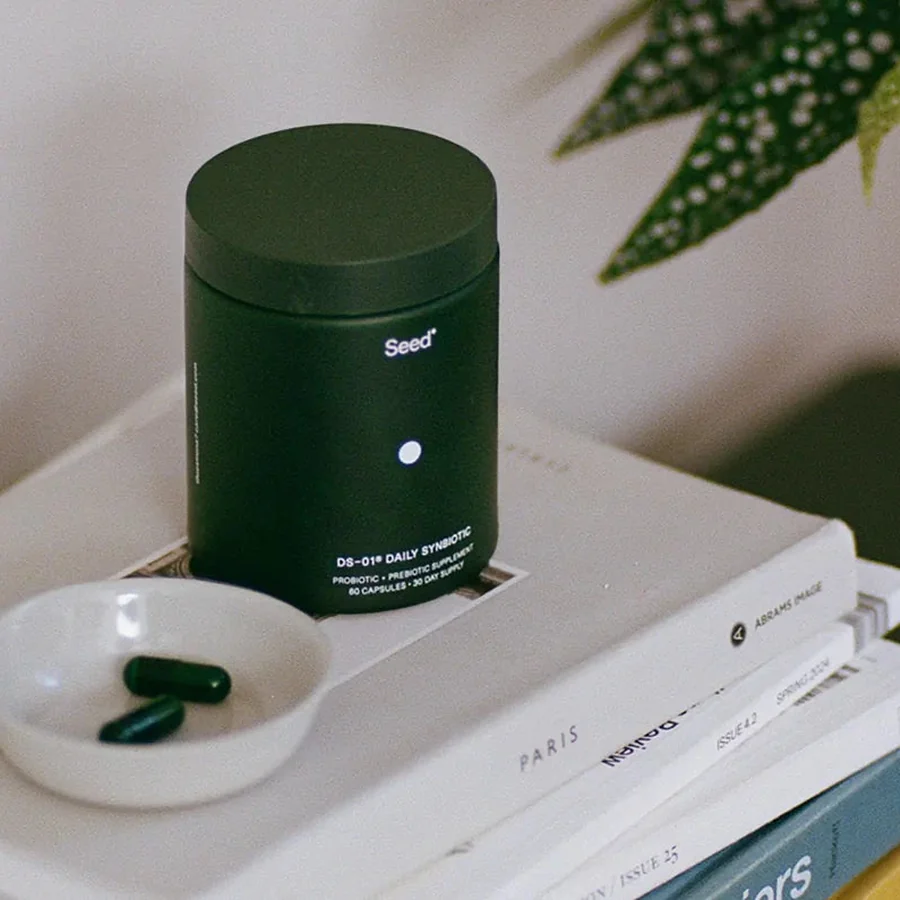
Seed is the polished, DTC option: 24 strains at 53.6 billion AFU, a two-part capsule designed to survive stomach acid, an included prebiotic (that is what "synbiotic" means), and unusually transparent third-party testing. The delivery system and testing transparency are real strengths.
The honest limits: at ~$50/month it is the priciest everyday pick, and much of the "whole body" marketing (skin, heart, and so on) runs ahead of the strain-specific evidence. Buy it for the quality and transparency, not because 24 strains automatically beats a targeted single strain. It does not.
Pros
- Acid-surviving capsule and included prebiotic
- Strong third-party testing and transparency
- Broad multi-strain formula
Cons
- Priciest everyday option
- Some marketing claims outrun the evidence
- Subscription-first buying
Best for Bloating and IBS-Type Symptoms
Align Extra Strength, ~$33/month
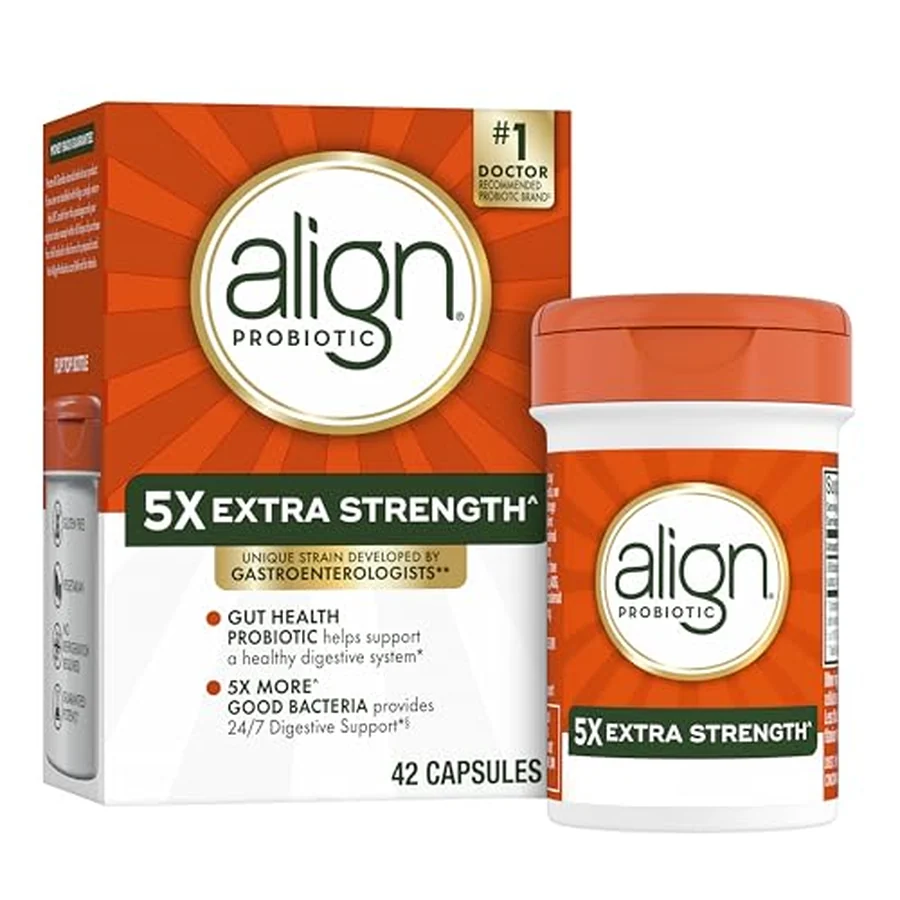
Align uses Bifidobacterium infantis 35624 (now reclassified as B. longum 35624), the strain with the most name recognition in IBS. An early, well-cited trial found 35624 beat placebo across abdominal pain, bloating, gas, and bowel difficulty in women with IBS. That is the strongest part of its story.
Now the part the box will not print: a 2025 randomized controlled trial in people with functional abdominal bloating found 35624 did not significantly beat placebo. Functional gut trials have famously strong placebo effects, and the evidence here is genuinely mixed. A recent strain-level review still lists 35624, alongside L. plantarum 299v and S. cerevisiae CNCM I-3856, among strains with IBS evidence, but "mixed" is the fair word.
Pros
- Most-recognized IBS strain, clearly labeled
- Reasonable price for a targeted product
- Low downside for a 4-week trial
Cons
- 2025 bloating trial showed no benefit over placebo
- Strong placebo effect muddies the picture
- Not a cure, results vary a lot
Visbiome, for diagnosed IBD or pouchitis, with a doctor
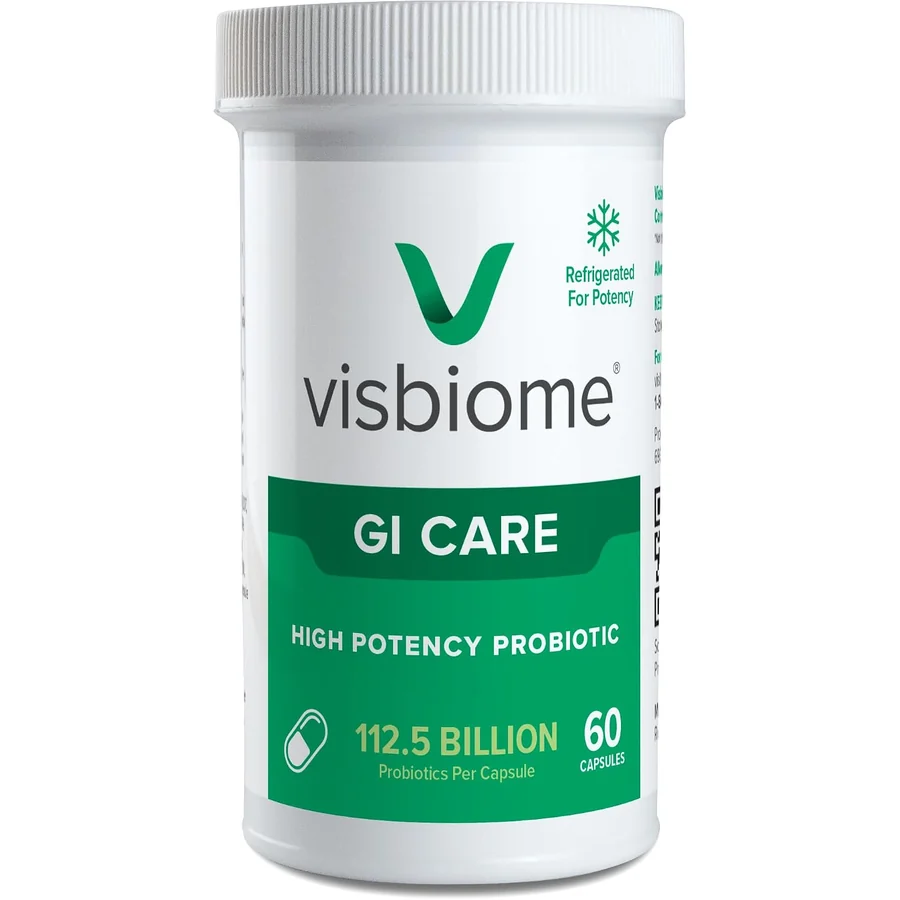
This one is a different category. Visbiome carries the De Simone Formulation (the same 8-strain blend once sold as VSL#3) at 112.5 billion CFU per capsule or 450 billion per sachet. The 60-capsule bottle is about $74, so a month runs roughly $37 at one a day and $74 at two, and therapeutic doses for pouchitis go higher still. It is classified as a medical food and has real clinical-trial history in ulcerative colitis and pouchitis. That is a stronger evidence base than almost any consumer probiotic.
But it is a therapeutic tool for diagnosed inflammatory bowel conditions, used under medical supervision, not a wellness supplement. If that is not you, you do not need it. If it is, talk to your gastroenterologist.
Newest Entry: Gut Lining and Postbiotic Support
Viome Advanced TriSynbiotic, $69/pack (2-pack $96, 3-pack $144, no subscription)
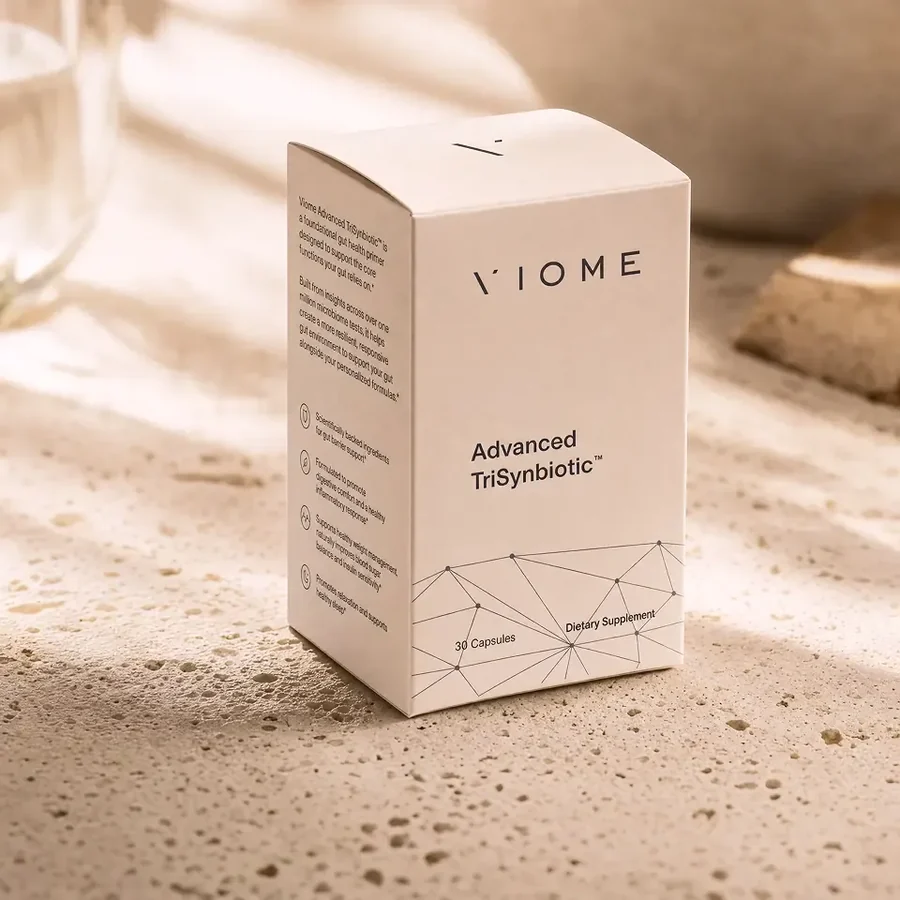
Viome launched this in August 2026 as a standalone capsule, separate from its microbiome test kits. It is a 5-in-1 formula built around a postbiotic form of Akkermansia muciniphila (already broken down, so it does not need to survive stomach acid the way live strains do), plus CoreBiome tributyrin to deliver butyrate directly to the gut lining, and three live strains: Anaerobutyricum soehngenii CH106, Bifidobacterium longum BB536, and Lactiplantibacillus plantarum Lp815. Delivery is a two-part DuoCap capsule meant to release ingredients in both the small and large intestine.
The mechanism is legitimate: Akkermansia and butyrate both have real published research tying them to gut lining integrity, and naming the actual strains on the label is exactly what we ask every product on this page to do. What is not legitimate yet is the rest of the marketing. Viome's own promotional copy claims support for blood sugar, GLP-1 appetite management, mood, sleep, and focus, and none of those claims are backed by a study on this specific formula. That is a brand-new product riding on a large company's general microbiome research, not a clinical trial of this capsule. Treat the gut-lining and butyrate claims as the real story and the rest as unproven until Viome publishes something specific to it.
Pros
- Postbiotic Akkermansia plus direct butyrate delivery, both mechanistically well-supported for gut lining health
- Every strain named on the label, not a proprietary blend
- One-time purchase, no subscription required
Cons
- Brand new, August 2026 launch, no independent studies on this exact formula
- Blood sugar, mood, sleep, and focus claims are not supported by any cited trial
- Priciest per-capsule pick here at $2.30/day for a single pack
Best Around Antibiotics: Read This Carefully
Florastor (Saccharomyces boulardii CNCM I-745), ~$68 for 100 capsules
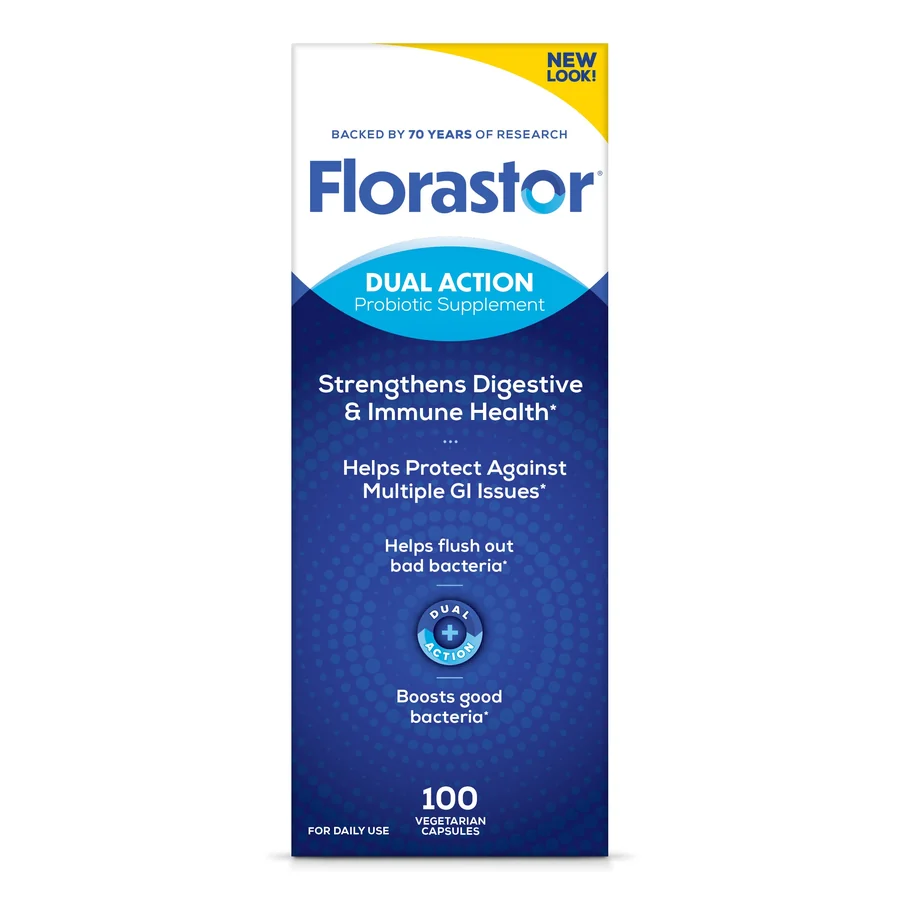
The classic pick during and after antibiotics is Saccharomyces boulardii, a probiotic yeast. Because it is a yeast, antibiotics that target bacteria do not kill it, and it has the best evidence of any single agent for reducing antibiotic-associated diarrhea. Florastor is the widely available CNCM I-745 version. The 100-capsule bottle runs about $68, which is roughly $20 a month at one capsule a day and about $41 at two. Worth saying plainly, though: this is the one product here you probably should not be buying by the month. It earns its keep during a course of antibiotics and the week or two after, not as a daily habit.
Pros
- Yeast, so antibiotics do not kill it
- Best single-agent evidence for antibiotic-associated diarrhea
- Can be taken alongside the antibiotic
Cons
- Not proven to "rebuild" the microbiome after a course
- Some probiotics may slow natural recovery, so keep it targeted
- Avoid if immunocompromised or critically ill without medical advice
Do not buy blind: get the label cheat sheet
Before you order any of these, grab the free "How to Read a Probiotic Label" PDF. It shows you how to confirm a bottle actually contains the studied strain, in ten seconds.
Download the PDFOur Bottom Line
Everyday and healthy? You probably do not need a probiotic at all. If you want one, Culturelle Pro Strength is the cheap, well-documented start at about $15 a month; Seed is the premium synbiotic if transparency and delivery matter to you.
Bloating? A 4-week trial of Align is low-risk, but temper expectations and fix your fiber intake in parallel.
On antibiotics? S. boulardii for diarrhea prevention, then rebuild with food, not a bottle.
Diagnosed IBD? Visbiome, with your doctor. Everyone else can skip it.
And before any of this: feed the bacteria you already have. Fiber first. That is the prebiotic half of the story, and it is where the real leverage is.
How We Chose
We started from strain-level trials and meta-analyses, then matched each goal to a product that actually contains the studied strain at a sensible dose. We flag mixed or weak evidence instead of hiding it, and we do not run fake testing claims. Prices were checked in July 2026 and change often. See the about page for methodology and the health disclaimer before starting anything new.