Best Prebiotic Fiber Supplements, and Why Food Comes First
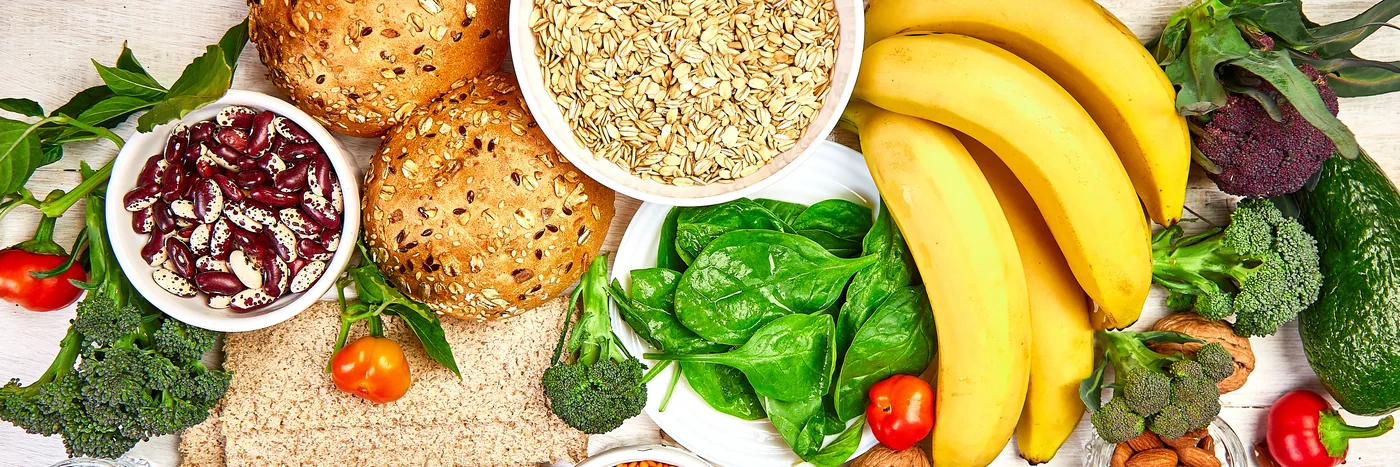
Photograph: Adobe Stock, licensed 27 August 2026. These are the foods a fibre supplement is trying to stand in for.
Prebiotic fiber is the food your gut bacteria eat. It is, quietly, the most important lever in gut health and the one most people skip. Before you buy any powder, though, hear the honest version: most people should get their prebiotics from food first. Beans, oats, onions, garlic, unripe bananas, and a wide range of plants feed your microbiome for pennies and bring nutrients a powder cannot. That whole approach is the premise of our sister site, FibermaxxingDiet.com, and if you have not read it, start there.
A fiber supplement earns its place in two cases: you struggle to hit your fiber target from food, or a specific fiber helps a specific gut issue better than food does. Here is how the main types compare.
Quick comparison
| Fiber type | Best known as | Bloating risk | Rough price | Best for |
|---|---|---|---|---|
| PHGG | Sunfiber | Low | ~$19/mo | Sensitive guts, IBS |
| Acacia (Senegal) | Acacia fiber | Low | ~$7/mo | Gentle daily prebiotic |
| GOS | Galactooligosaccharides | Low to moderate | ~$45/mo | Good tolerance, Bifido feeding |
| Inulin / FOS | Chicory root fiber | Higher | ~$3-4/mo | Cheapest by far, but gassier |
1. PHGG (Sunfiber): best for sensitive and IBS-prone guts
Partially Hydrolyzed Guar Gum, ~$19/month
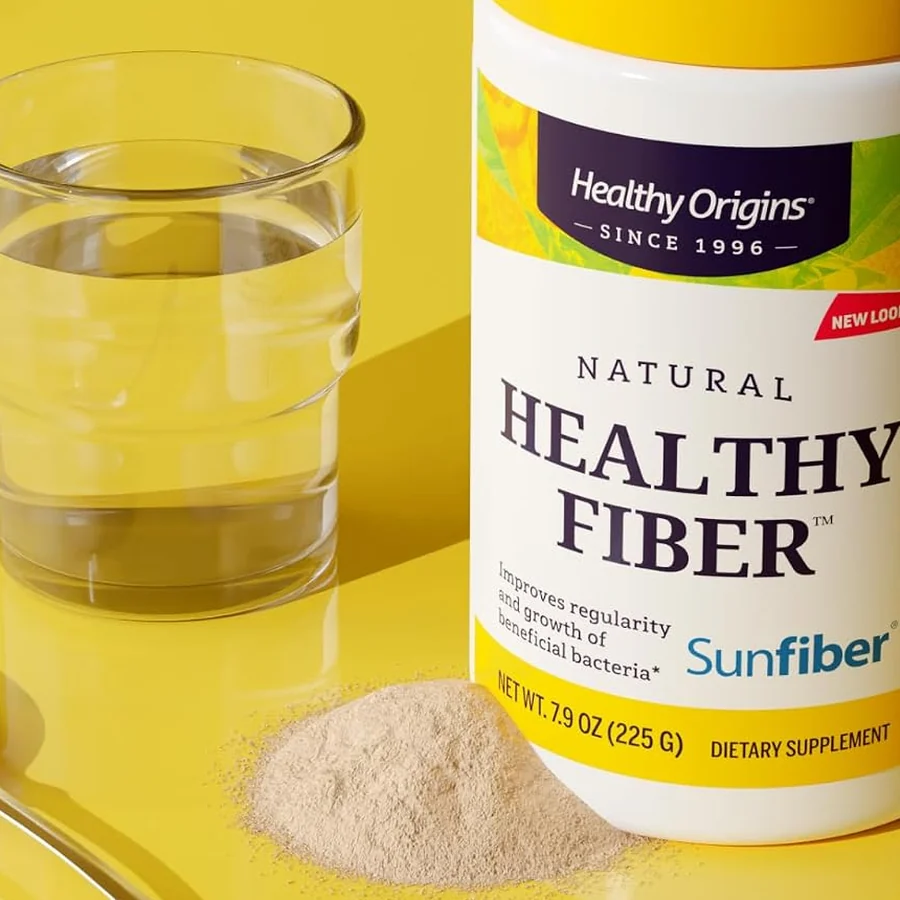
PHGG, sold most often under the Sunfiber name, is guar gum broken down into smaller units. It dissolves clear, does not thicken drinks, and ferments slowly, which is the key. Slow fermentation means steadier short-chain fatty acid production and far less gas than inulin. It has real clinical research for IBS, helping normalize stool consistency in both the constipation and diarrhea patterns.
If inulin or FOS has ever left you bloated and miserable, this is the fiber to switch to. It is the gentlest well-studied option here.
Pros
- Lowest bloating of the well-studied fibers
- Clinical evidence in IBS, both subtypes
- Tasteless, dissolves clear, easy to dose
Cons
- Pricier than plain inulin
- Not a magic bullet, still ramp up slowly
2. Acacia fiber: the gentle everyday option
Acacia (Senegal) Fiber, ~$7/month
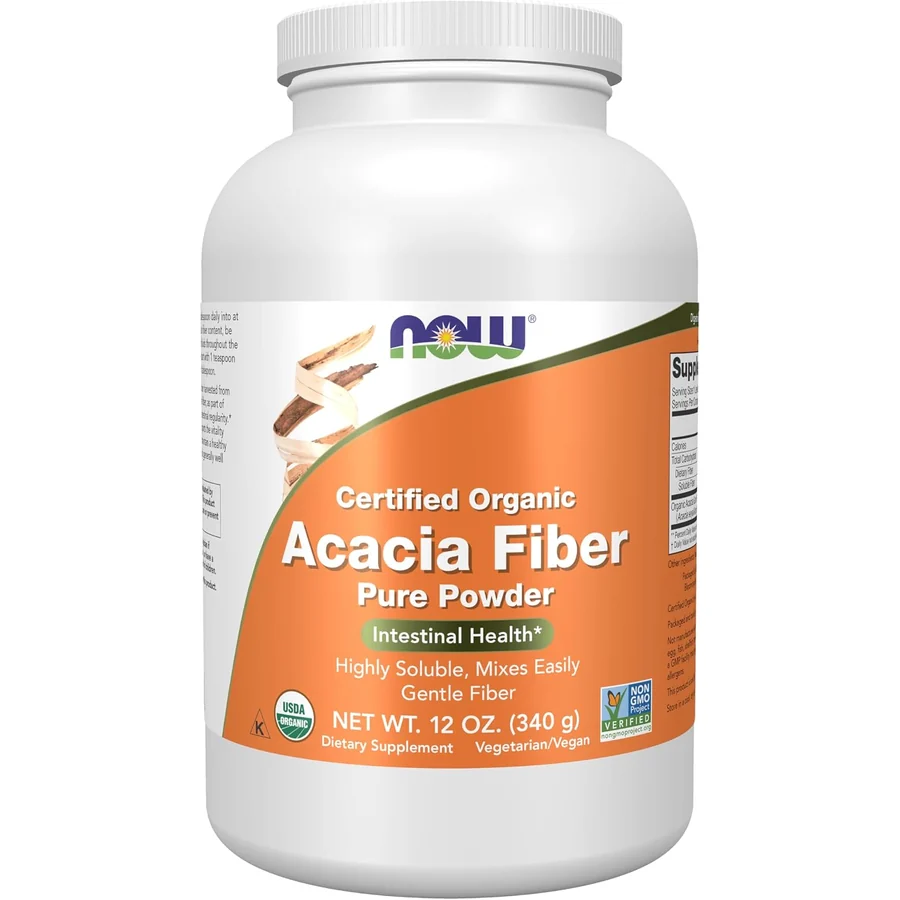
Acacia comes from the sap of the acacia tree and ferments slowly, so it tends to be well tolerated with little gas. It is a solid, inexpensive daily prebiotic for people who want the benefit without the inulin discomfort. The evidence base is smaller than PHGG's, but the tolerability is excellent and the price is friendly.
Pros
- Very gentle, low gas
- Cheap
- Easy to mix
Cons
- Thinner research base than PHGG
- Milder effect for some
3. Inulin / FOS: cheap, effective, and gassier
Inulin (Chicory Root Fiber), ~$3-4/month
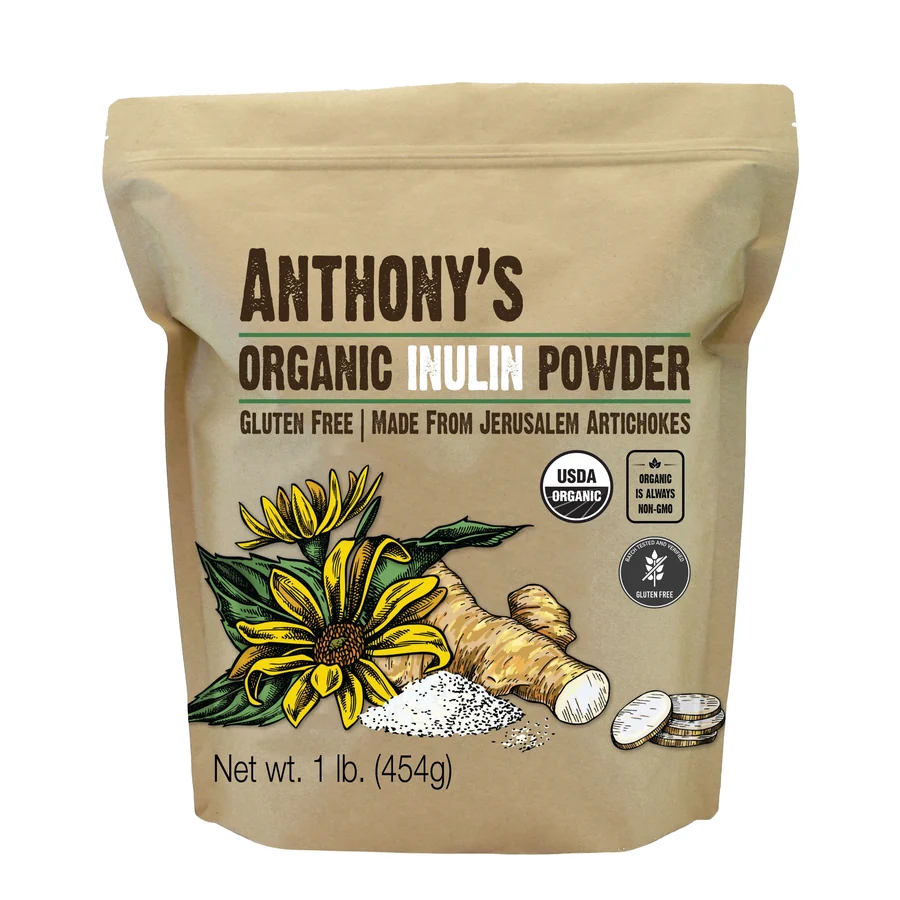
Inulin and FOS are the classic, cheap prebiotics, and they do genuinely feed beneficial bacteria. The honest downside is right there in the research: they ferment fast, which for a lot of people means noticeable gas and bloating, especially at higher doses. If your gut is robust and your budget is tight, inulin works. If you are sensitive or have IBS, PHGG or acacia will treat you better.
Pros
- Cheapest per gram
- Well-established prebiotic effect
- Widely available
Cons
- Most likely of these to cause gas and bloating
- Rough on sensitive and IBS guts
Grab the free label cheat sheet
Prebiotics feed your bacteria; the right probiotic can help too, if you can read the label. Get the printable "How to Read a Probiotic Label" PDF and never overpay for a mislabeled bottle again.
Download the PDFThe bottom line
Food first. A varied, plant-heavy, fiber-forward diet beats any powder for most people and costs less.
If you supplement, pick by tolerance: PHGG (Sunfiber) for sensitive or IBS-prone guts, acacia for a gentle cheap daily option, and inulin only if your gut handles it well and you want to save money. Whichever you choose, ramp up slowly.
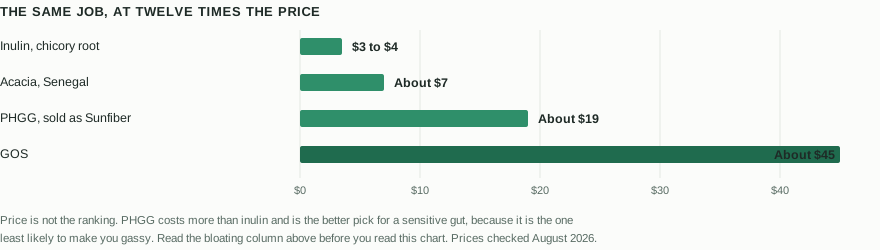
One thing the price column makes obvious: these fibers are not in the same league on cost. Inulin runs a few dollars a month, acacia under ten, PHGG around twenty, and branded GOS closer to forty-five. That is a thirteen-fold spread for products that all do a version of the same job. Pay up for PHGG if your gut needs the gentleness. Do not pay up out of a vague sense that the expensive one must be better, because on this shelf the cheapest option is also one of the best studied.
And remember the pairing: prebiotic fiber is what makes a probiotic worth taking. Adding bacteria without feeding them is half a plan. See probiotic vs prebiotic vs postbiotic for how the pieces fit.